Australia, Oceania
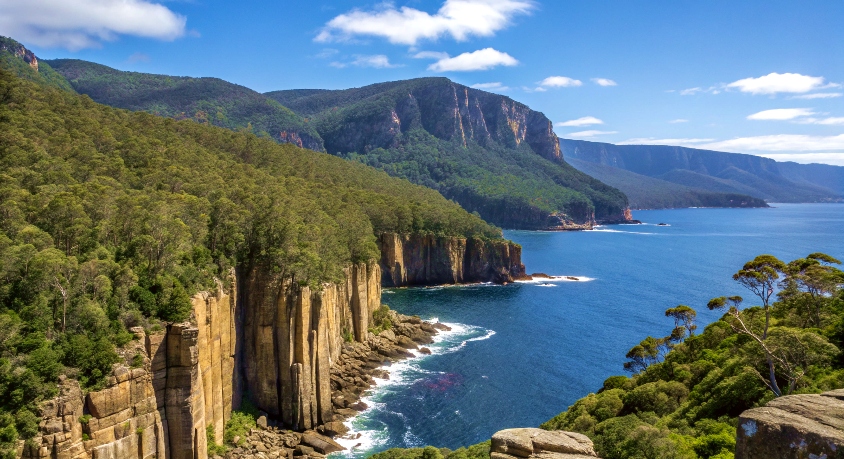
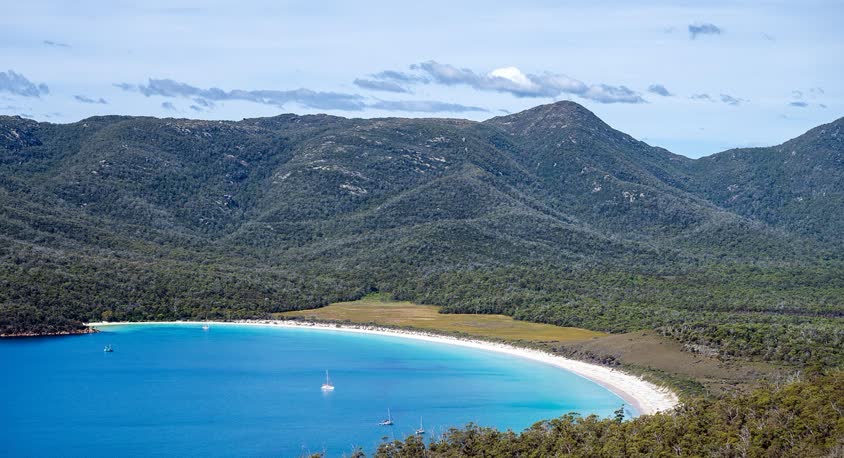
Tasmania is an island state of Australia located approximately 240 kilometers to the south of the Australian mainland, separated by the Bass Strait. Covering an area of about 68,401 square kilometers, Tasmania is renowned for its stunning natural landscapes, unique wildlife, and rich Indigenous and colonial history. As one of Australia’s most picturesque destinations, Tasmania is celebrated for its diverse ecosystems and national parks, many of which are designated UNESCO World Heritage Sites. The Tasmanian Wilderness World Heritage Area encompasses over 1.5 million hectares of spectacular wilderness, offering breathtaking views of pristine forests, rugged mountains, and wild coastlines. Notable natural attractions include Cradle Mountain, Freycinet National Park, and the coastal scenery of the Bay of Fires.
Tasmania's unique flora and fauna are a key aspect of its environmental significance. The island is home to several species that are found nowhere else on Earth, including the iconic Tasmanian devil. Culturally, Tasmania has a rich history that includes a deep Indigenous heritage that predates European settlement. The Palawa people, the traditional custodians of the land, have a connection to Tasmania that spans thousands of years, reflected in their cultural practices and the preservation of sacred sites. European settlement began in 1803, initially as a penal colony, leading to the development of towns and industries that shaped the state’s economy.
Tasmania is likewise a hub for culinary enthusiasts, boasting a burgeoning food and wine scene that highlights the island's fresh produce, artisanal cheeses, and high-quality seafood. The state is known for its cool-climate vineyards, producing excellent wines, particularly Pinot Noir and Riesling, and its craft breweries and distilleries have gained international acclaim.



 Search