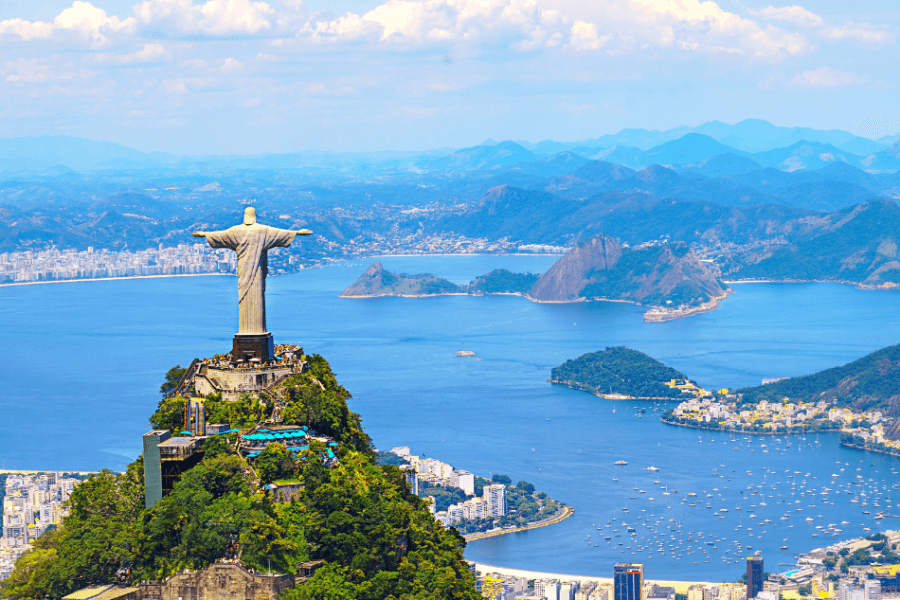
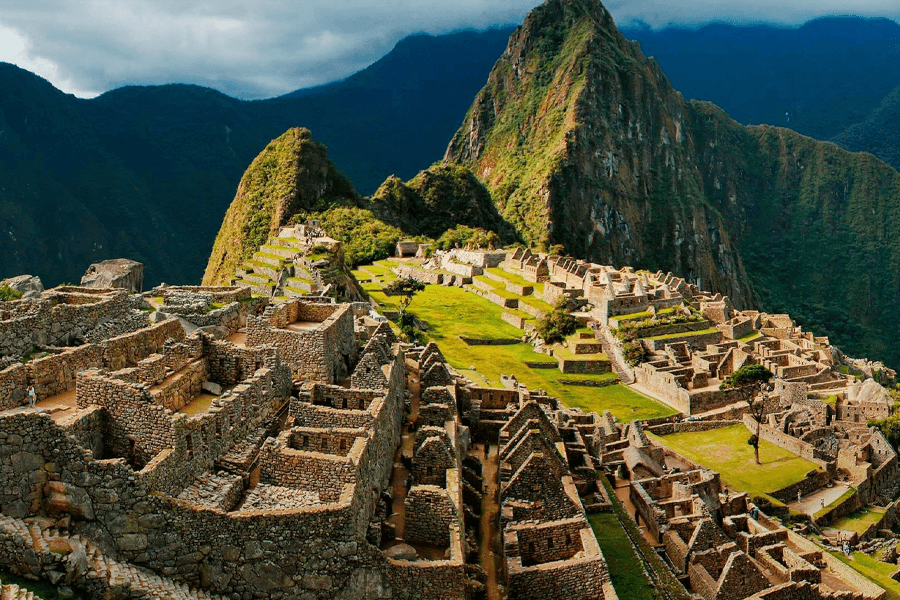
South America is located in the Western Hemisphere and the Southern Hemisphere, bordering the Atlantic Ocean to the east, the Pacific Ocean to the west, the Caribbean Sea to the north, and the Drake Passage to the south, facing Antarctica. It is the fourth largest continent in terms of land area, with an area of about 17.8 million square kilometers, accounting for about 12% of the total land area of the earth.
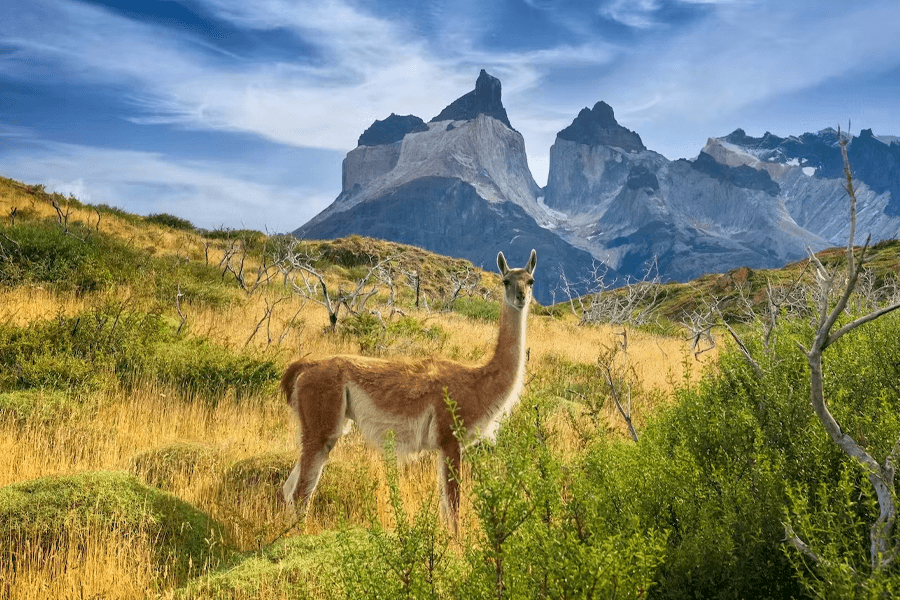
South America has complex and diverse terrain, including the Andes Mountains, one of the longest mountain ranges in the world, the Amazon Basin, the world's largest tropical rainforest, and large tracts of savannah, deserts, and wetlands. The climate types are diverse, including tropical rainforest climate near the equator, polar climate in high-altitude areas, and temperate marine climate in the southernmost part, covering almost all climate types. The Amazon rainforest is one of the most biodiverse regions on Earth, with countless unique animal and plant species. South America is rich in natural resources, including oil, natural gas, iron ore, copper, bauxite, gold, silver, tin, uranium, etc., as well as water and forest resources. Brazil and Venezuela are important oil producers, and Chile and Peru are major copper exporters.
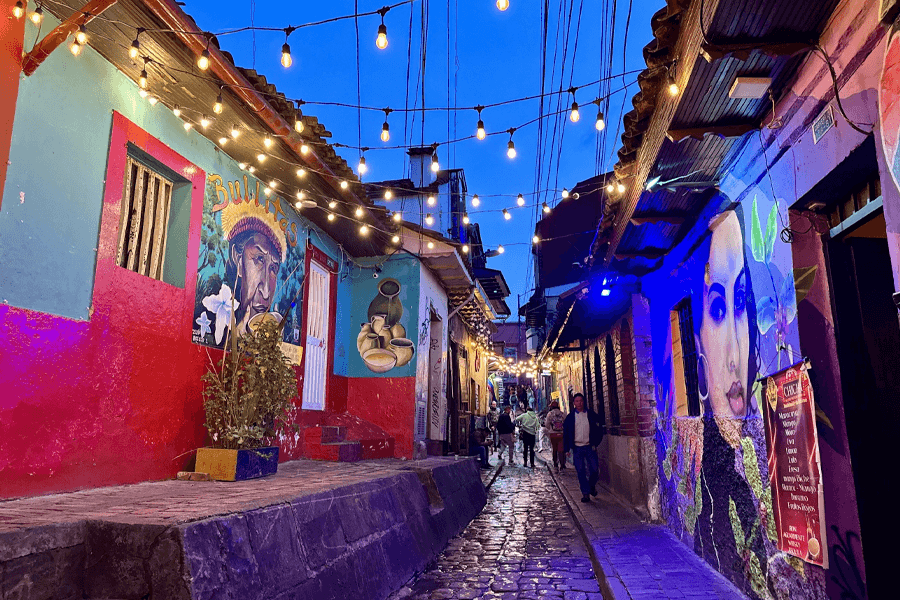
South American culture is deeply influenced by indigenous culture, European colonial culture, and African culture, forming a unique Latin American culture. Spanish and Portuguese are the main official languages in South America, but indigenous languages and creoles are also spoken in many regions. South America showcases a wealth of diversity and creativity in music, dance, literature, art and cuisine, with gems such as samba, tango, salsa, Argentine tango and Mexican Day of the Dead highlighting the region’s vibrant culture.



 Search