Asia is the largest and most populous continent on Earth, and one of the seven continents with the longest history and richest culture. Asia is located in the northeast of the Eastern Hemisphere, bordering the Pacific Ocean to the east, the Indian Ocean to the south, Europe to the west, and the Arctic Ocean to the north. Asia covers an area of about 44.579 million square kilometers, accounting for one-third of the total land area of the Earth.
Geographically, Asia has complex and diverse terrain, from the vast plains in the east to the majestic mountains in the west, from the tropical rainforests in the south to the ice and snow zones in the north, and the natural scenery is rich and diverse. Asia has both the world's highest peak, Mount Everest, and the lowest point on land, the Dead Sea. The Yangtze River, the Yellow River, the Ganges, the Indus River and other major rivers nourish the vast land and give birth to a splendid ancient civilization. Asia is not only vast in territory, but also an important birthplace of human civilization. Among the four ancient civilizations, three ancient civilizations, namely ancient Egypt, ancient Babylon, ancient India and China (parts of ancient India and ancient Babylon are located in present-day Asia), originated here and contributed major achievements in writing, religion, philosophy, science, and art to the world.
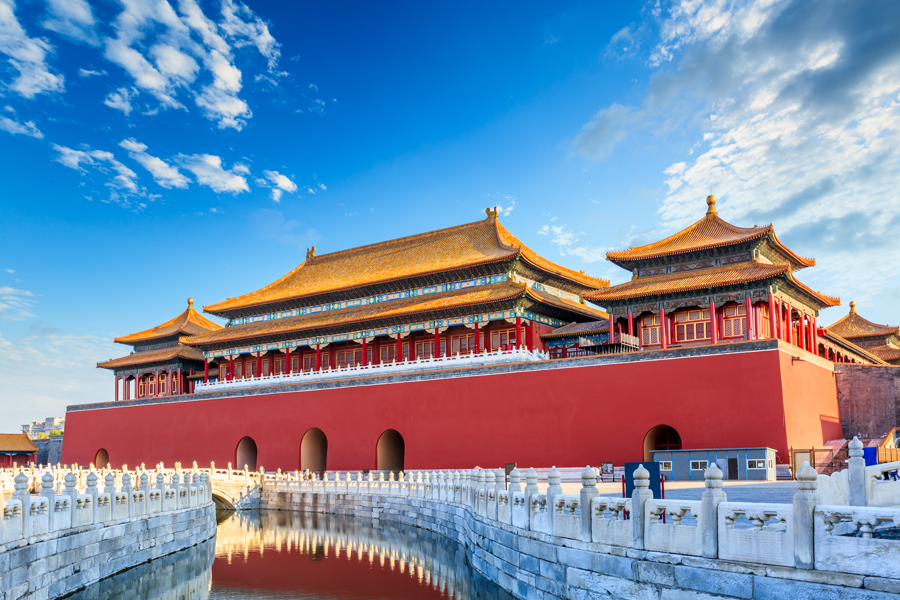
Economically, the development levels of Asian countries vary. There are developed countries such as Japan, Singapore, and South Korea, as well as rapidly developing emerging markets such as China and India, and many developing countries. Culturally, Asia has a profound cultural heritage and its own characteristics. From Chinese calligraphy and Peking Opera to Indian yoga and the Taj Mahal, from Japanese tea ceremony and kimono to Korean kimchi and the night view of the Han River, each culture attracts global attention with its unique charm.



 Search