Cuba, North America
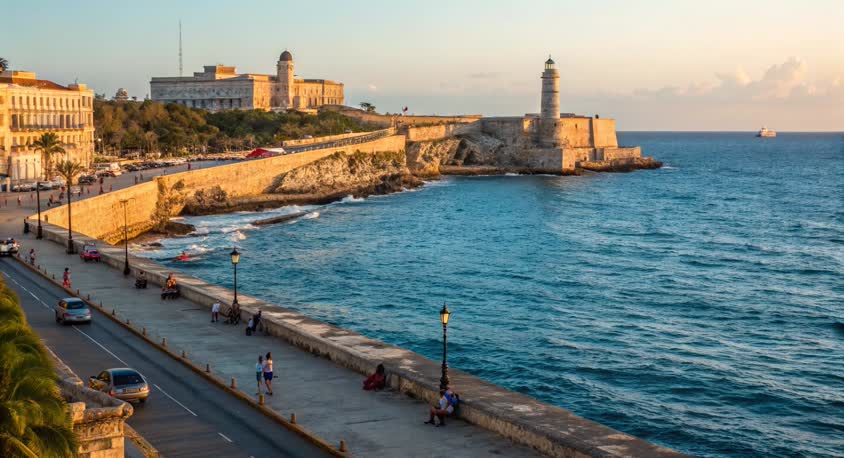
Havana, the capital city of Cuba, is a vibrant and culturally rich metropolis known for its fascinating history, stunning architecture, and lively atmosphere. Founded in 1519 by Spanish colonists, Havana has served as an important port city and a significant center of trade over the centuries. Today, it is home to over 2 million residents, making it the largest city in Cuba and one of the most populous Caribbean cities. The city is characterized by a tropical maritime climate, with warm temperatures year-round and a distinct wet season. Its coastal location along the Gulf of Mexico provides picturesque views of the ocean and beautiful sunsets, making Havana a visually stunning city.
Havana's historical core, Old Havana (Habana Vieja), has been designated as a UNESCO World Heritage Site due to its well-preserved colonial architecture and vibrant cultural heritage. Iconic sites such as the Plaza de Armas, the Cathedral of Havana, and the Castillo del Morro evoke the city's Spanish colonial past. The cobblestone streets are lined with colorful buildings, each telling a story of the city’s rich history.
Cuban culture is at the heart of Havana's identity and is expressed through its music, dance, and art. The city pulses with rhythms of salsa, son, and jazz, and people can experience this vibrant music scene in venues like the renowned Buena Vista Social Club or at local street performances. Havana is also home to an impressive array of museums and galleries showcasing the island’s art and history. The Museo Nacional de Bellas Artes houses an extensive collection of Cuban art, while the Museo de la Revolución shares the story of Cuba’s revolutionary history. The city’s art scene is further highlighted through street art, which adorns the walls and adds color to the urban landscape.



 Search