 Search
- # Brunost
- Brunost: The Unique Brown Cheese of Norway
- Feb,10,2025
When it comes to Norwegian cuisine, few foods are as iconic and beloved as Brunost, or "brown cheese." This distinctive cheese, which is made from whey and milk, holds a special place in Norwegian hearts and homes. Its caramelized, sweet flavor and rich, creamy texture set it apart from most cheeses around the world, making it a truly unique part of Norwegian culinary tradition. I had the pleasure of trying this delicacy in Oslo during my trip to Norway last year.
Brunost has been a staple of Norwegian kitchens for centuries. Its creation is deeply intertwined with the history of Norway's dairy farming. The cheese is made from whey, the liquid left behind after curds are separated during the cheese-making process. This byproduct was historically considered a waste product, but Norwegian farmers found a way to turn it into a delicious, valuable product.
The origins of Brunost are linked to the Gudbrandsdalen Valley, a region in central Norway known for its rich dairy tradition. It is in this valley that the process of making Brunost was perfected, and the cheese became a defining feature of Norwegian rural life. The technique of simmering the whey and milk until it thickens and caramelizes has been passed down through generations, preserving both the flavor and cultural significance of this beloved food.
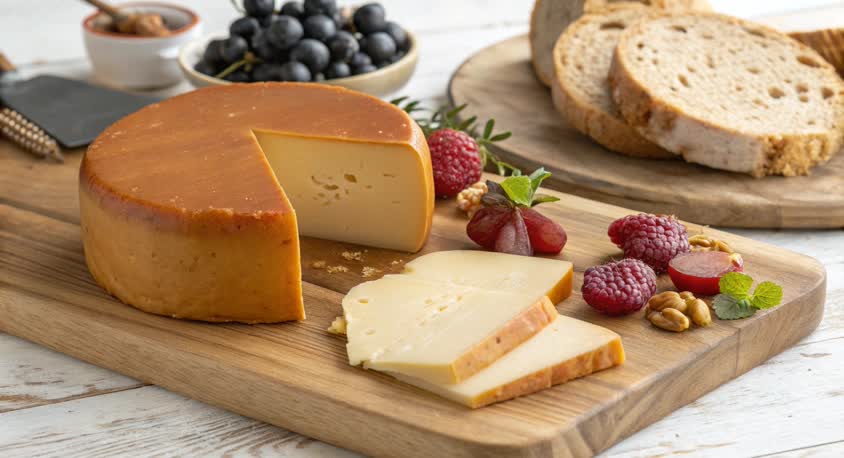
The process of making Brunost is labor-intensive and requires patience. Unlike most cheeses, which are made by coagulating milk with rennet, Brunost is made from whey, which is a byproduct of cheese production. The whey is simmered with milk and sugar until it thickens, turns brown, and develops a rich, caramelized flavor. This process can take several hours, during which the mixture is carefully monitored to ensure that it does not burn.
The caramelization of the whey and milk gives Brunost its signature brown color and sweet, slightly tangy taste. The consistency is dense yet creamy, and the cheese is often sliced thinly. In its final form, Brunost can be sold in blocks, which are often wrapped in wax paper or plastic, or it may be found in softer, spreadable forms.
The cheese typically contains a blend of cow’s milk or sometimes goat’s milk. In fact, some of the most popular types of Brunost are made with a combination of both cow’s and goat’s milk. One of the most well-known varieties of Brunost is Gudbrandsdalsost, which is made from cow’s milk and has a sweet, mild taste. A more intense version, Geitost, is made with goat’s milk, and it has a stronger, more pronounced flavor with a slightly tangy aftertaste.
The defining characteristic of Brunost is its distinct sweet, caramel-like flavor. It is not a cheese in the traditional sense, as it is not made with rennet and does not have the sharpness or tanginess typical of most cheeses. Instead, Brunost has a mild, slightly tangy, and sweet flavor that comes from the caramelization of the milk and whey during the cooking process.
---
The texture is another important feature of Brunost. It is firm but slightly crumbly when sliced, yet it can be easily spread on bread or crackers. The flavor profile is complex, with hints of butter, brown sugar, and cream. The cheese is not overly salty, making it a perfect balance between sweet and savory. It has a smooth, rich mouthfeel that is both comforting and satisfying.
For those who are unfamiliar with Brunost, the taste may be an acquired one. Its sweetness is unlike that of any other cheese, and it often surprises people who are used to the sharp tang of cheddar or the saltiness of parmesan. However, once accustomed to its flavor, many people find themselves hooked on Brunost, appreciating the unique experience it offers.
Brunost is typically enjoyed in a variety of ways, both as part of everyday meals and as a special treat. In Norway, it is commonly used for breakfast. It is often sliced thinly and placed on bread, toast, or open-faced sandwiches (known as smørbrød). It can be paired with butter, jam, or fresh fruit for a balanced and satisfying breakfast.
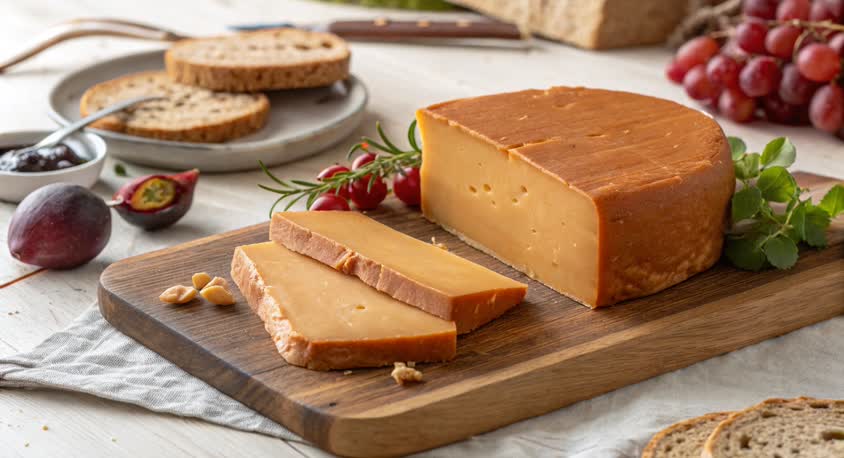
Another popular way to enjoy Brunost is as a snack. The cheese is often served with crackers or rye bread, making it a perfect option for afternoon tea or a light snack. In some cases, it is also paired with a hot drink, such as coffee or tea, which helps to balance the sweetness of the cheese.
While Brunost is typically associated with breakfast and snacks, it can also be used as an ingredient in desserts or baked goods. Some people use it as a filling for pastries or cakes, while others incorporate it into savory dishes, such as potato casseroles or stews. The cheese’s creamy texture and unique flavor lend themselves well to both sweet and savory applications.
In addition to its use in Norway, Brunost has also gained popularity in neighboring Scandinavian countries, such as Sweden and Denmark. However, it remains most closely associated with Norway, where it is a key part of the national culinary identity.
Brunost is more than just a food item in Norway; it is a symbol of the country’s rich agricultural and dairy traditions. The process of making Brunost has been passed down through generations, and it holds a special place in the hearts of Norwegians.
---
Brunost is also a point of pride for many Norwegians. It is a product of the country’s abundant natural resources, particularly its high-quality dairy farms, and it is seen as a reflection of Norway’s sustainable approach to agriculture. The cheese is often made by small, family-owned dairies, ensuring that it is produced with care and attention to detail.
Brunost is more than just a cheese; it is a distinctive and beloved part of Norwegian culinary culture. With its rich caramel flavor, creamy texture, and unique production process, it offers a truly one-of-a-kind taste experience. Whether enjoyed for breakfast, as a snack, or as part of a special meal, Brunost holds a special place in the hearts of Norwegians and anyone lucky enough to try it. This sweet, brown cheese is a true testament to Norway's ingenuity and deep connection to its dairy farming roots, making it a must-try for anyone interested in exploring the flavors of Scandinavian cuisine.