 Search
- # Aswan High Dam
- The Power and Legacy of the Aswan High Dam
- Aug,26,2025
When I first arrived in Aswan, I was really excited. I had heard a lot about the Aswan High Dam, and I wanted to see it for myself. The dam is huge. It is hard to imagine how big it is until you are standing right in front of it. As I approached, I could feel the power of the place. The Nile River flows through here, and the dam controls the water. It is one of the most famous engineering projects in the world.
When I reached the dam, I could see it stretching across the landscape. The walls were tall and strong, and they seemed to touch the sky. I could hear the sound of water flowing, and I knew that this place was important. The engineers who built the dam had to face many challenges, but they made it work. The view from where I stood was amazing. The dam stood firmly on the ground, and the Nile River flowed below it, looking peaceful and powerful at the same time.
---
As I walked around the area, I learned more about the history of the dam. The Aswan High Dam was built in the 1960s. It took many years to finish, and it was a very big project. The dam was made to control the floods of the Nile River and to help produce electricity for Egypt. Before the dam was built, the Nile River flooded every year. This flooding would sometimes destroy crops and homes. The dam changed that. It helped to control the water flow, and it gave Egypt a stable source of power. The construction of the dam was one of the most important moments in Egypt’s history.
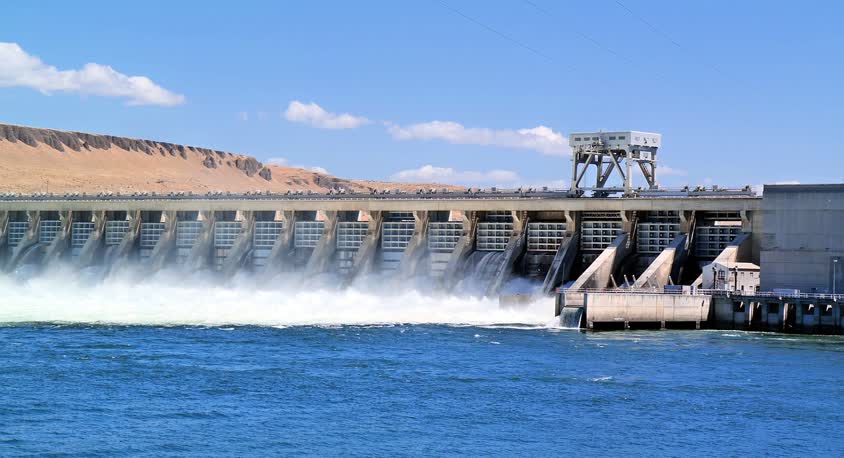
The size of the dam really surprised me. I had seen pictures of it before, but they didn’t show how big it was in real life. The dam is over 12,000 meters long and about 130 meters tall. I could not see the entire length of the dam from where I was standing. It felt like it went on forever. As I walked along the top of the dam, I could feel the strength of the structure beneath my feet. The engineers had to use millions of tons of materials to build it, and it is one of the largest dams in the world. It was built to hold back the mighty Nile River, and it does so very well.
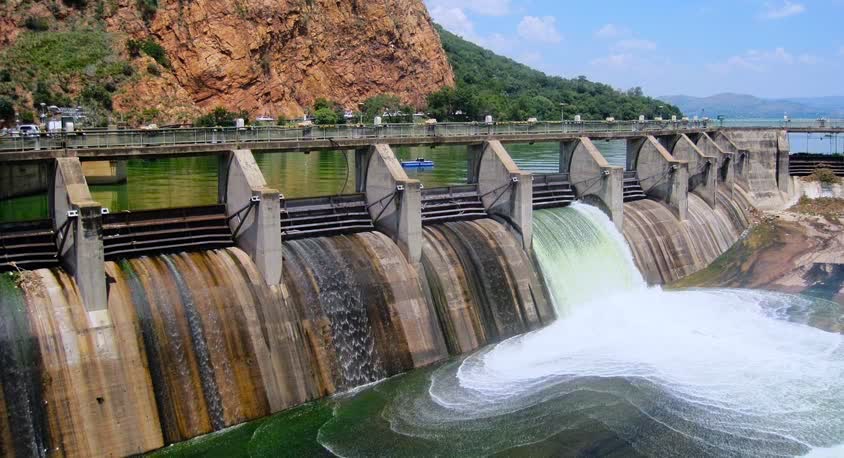
When I looked at the water flowing through the dam, I could see the power of the river. The water flows through large openings in the dam, and the force is incredible. I learned that the dam helps to regulate the flow of water so that it does not flood the land. It also provides water for irrigation and helps in generating electricity. The water from the Nile River is essential for life in Egypt, and the dam ensures that it is used wisely.
Behind the dam, there is a huge reservoir. The water in this reservoir comes from the Nile River. It is called Lake Nasser, and it is one of the largest artificial lakes in the world. As I stood near the edge of the lake, I could see the water stretching out far in front of me. The lake is very deep, and it holds millions of gallons of water. The water in the lake is used for irrigation, and it also provides a source of drinking water for many people in Egypt. It was interesting to see how the dam works to control this vast amount of water.
One of the best parts of my visit was the view from the top of the dam. From up there, I could see the river, the lake, and the surrounding desert. The land around the dam is very dry, but the water from the dam helps to bring life to the area. I could see the green fields where crops are grown, thanks to the irrigation system. The contrast between the dry desert and the green fields was striking. The view showed me how important the dam is to the people of Egypt. It helps to bring water to areas that would otherwise be too dry to live in.
---
As I walked around the dam, I was amazed by the engineering behind it. The dam was built using materials from all over the world. The engineers had to make sure that the structure could handle the force of the water. They had to plan carefully to make sure that the dam would not break. I learned that the dam uses a system of turbines to generate electricity. These turbines turn as the water flows through them, creating power. The engineers also designed the dam to control the water levels in the Nile River, so that flooding does not happen.
I joined a tour to learn more about how the dam works. The guide explained how the dam was built and how it helps the people of Egypt. He told us about the challenges the engineers faced while building it. The area was very hot when they started construction, and they had to work through many difficulties. But the dam was finished, and it has made a big difference in Egypt. The guide also talked about the people who live near the dam and how the water helps them to grow crops and live better lives.
At the dam, there are also some exhibits that explain its history and importance. I visited the exhibition area, where I could see old photos and models of the dam. These exhibits showed how the dam was built and the impact it had on Egypt. There were also displays about the animals and plants that live near the dam. The Nile River is home to many different species, and the dam has helped to protect the environment in some ways. I enjoyed learning more about how the dam works and its effects on the country.
---
I was also amazed by the people who built the dam. Many workers came from different parts of Egypt and other countries to help with the construction. They worked for many years to finish the dam. The workers had to deal with extreme heat, heavy equipment, and difficult conditions. But they kept working, and their hard work paid off. The Aswan High Dam is a testament to their skill and determination. Without them, the dam would not be what it is today.
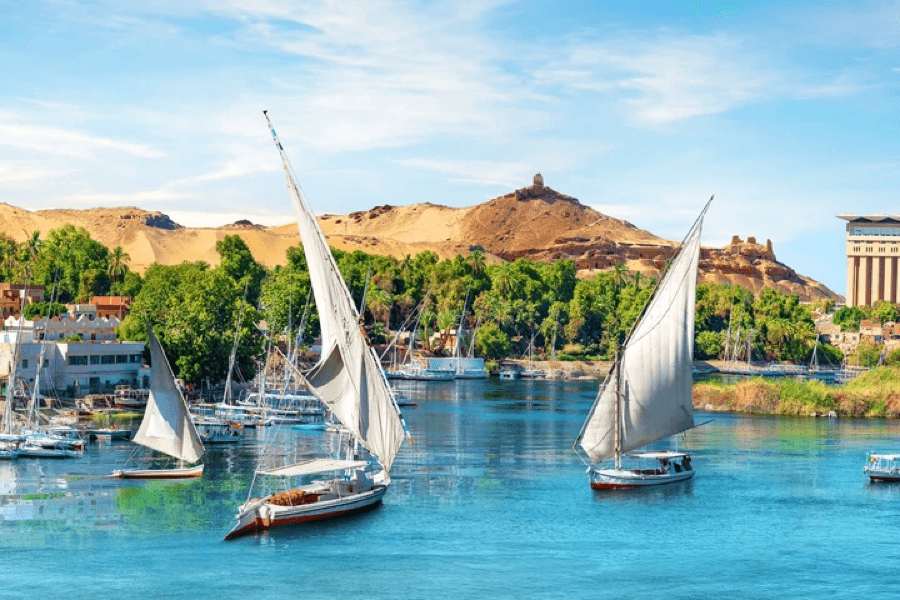
After my visit to the dam, I walked along the Nile River. The river is long and wide, and it has been important to Egypt for thousands of years. It flows through the country, providing water to the people who live along its banks. I could see how much life depends on the river. The water in the river is used for drinking, farming, and transportation. The Aswan High Dam plays a big role in making sure the water is used wisely, and it has helped the people of Egypt for many years.