 Search
- # Panama Canal
- Panama Canal: A Monumental Engineering Feat Connecting Worlds
- Nov,06,2025
The Panama Canal, one of the most influential artificial waterways in the world, not only broke the geographic barrier between the Atlantic and Pacific Oceans but also became a vital hub for global trade and international connectivity. Since its completion, the Panama Canal has witnessed the flow of history and has been a point of convergence for countless commercial and cultural exchanges. For every traveler visiting Panama, a tour of this monumental engineering wonder is an unforgettable experience. This article will take you through the history, significance, architectural marvels, and highlights of the Panama Canal.
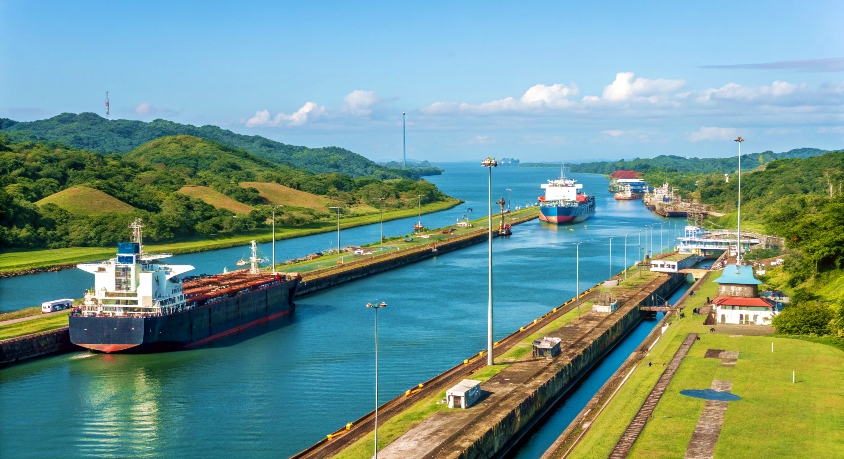
The Panama Canal spans the narrow landmass of the Panama Isthmus, linking the Atlantic and Pacific Oceans, with a total length of about 80 kilometers. Its geographical importance cannot be overstated, as it allows ships to bypass the lengthy route around South America, significantly shortening travel distances and enhancing global shipping efficiency.
The idea for the canal dates back to the 16th century during the Spanish conquest, but due to technical limitations, it wasn't until the late 19th century that French engineer Ferdinand de Lesseps began the construction. However, due to financial, technical, and health challenges, the French project was eventually abandoned. In 1904, the United States took over the construction, and after ten years of labor, the canal was completed in 1914.
The completion of the Panama Canal did not only revolutionize global trade but also had far-reaching impacts on world history. The canal transformed the shipping industry, becoming a crucial shortcut between the Atlantic and Pacific Oceans. Every year, thousands of ships pass through the canal, saving thousands of kilometers in navigation and greatly improving global trade and transportation efficiency.
Beyond its commercial importance, the Panama Canal also played a pivotal role in shaping international relations and economic cooperation. It symbolizes a massive breakthrough in engineering and serves as a testament to human ingenuity in overcoming complex challenges. Today, the Panama Canal remains one of the busiest and most important shipping routes in the world.
---
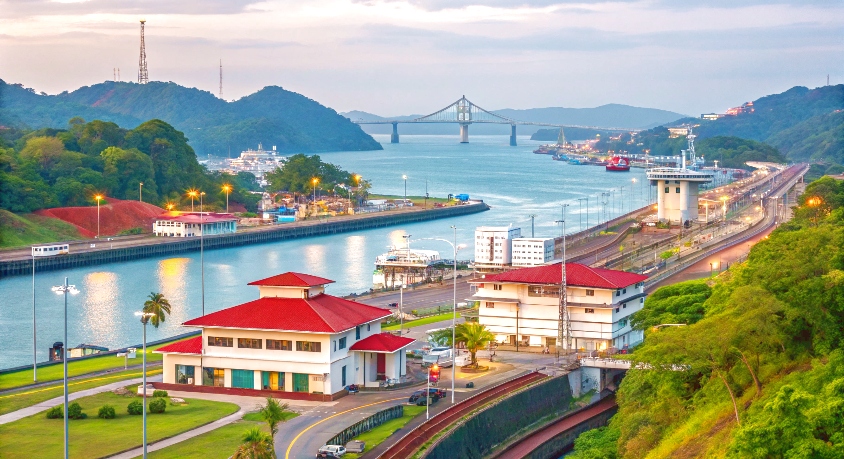
The design and construction of the Panama Canal is one of the most remarkable engineering feats in world history. Key structures such as the Gatun Dam and the Miraflores Locks stand as iconic symbols of this grand project. The Gatun Dam, located at the core of the canal, controls water levels to ensure the smooth flow of the waterway, while the Miraflores Locks are a popular visitor destination, where tourists can observe the passage of ships.
The canal's design incorporated advanced hydraulic engineering techniques, with a system of locks that divide the waterway into multiple stages. Each lock raises or lowers ships by controlling the water levels, enabling them to navigate through different elevations. This intricate system allows ships to safely and efficiently traverse the canal.
Miraflores Museum and Observation Deck
The Miraflores Museum is an excellent place to learn about the history and operation of the Panama Canal. Here, visitors can explore exhibitions and interactive displays detailing the canal's construction process, technical innovations, and its global economic impact. The observation deck provides a breathtaking view where tourists can watch ships as they pass through the locks, offering a close-up look at the canal in action.
Gatun Dam and Canal Cruise
Visiting the Gatun Dam is another must-see highlight. Through exhibits and informative guides, visitors can learn how the dam controls water flow to ensure the canal’s smooth operation. Additionally, guests can participate in a canal cruise, offering the unique opportunity to experience firsthand the awe-inspiring passage of ships through this engineering marvel.
Panama Canal Railway
In addition to waterway navigation, the Panama Canal Railway is another historical asset worth experiencing. The railway has served as an important tool for transporting goods since the canal's construction. Today, visitors can ride this historic train, taking in the surrounding scenic beauty while learning about its significance in the canal’s development.
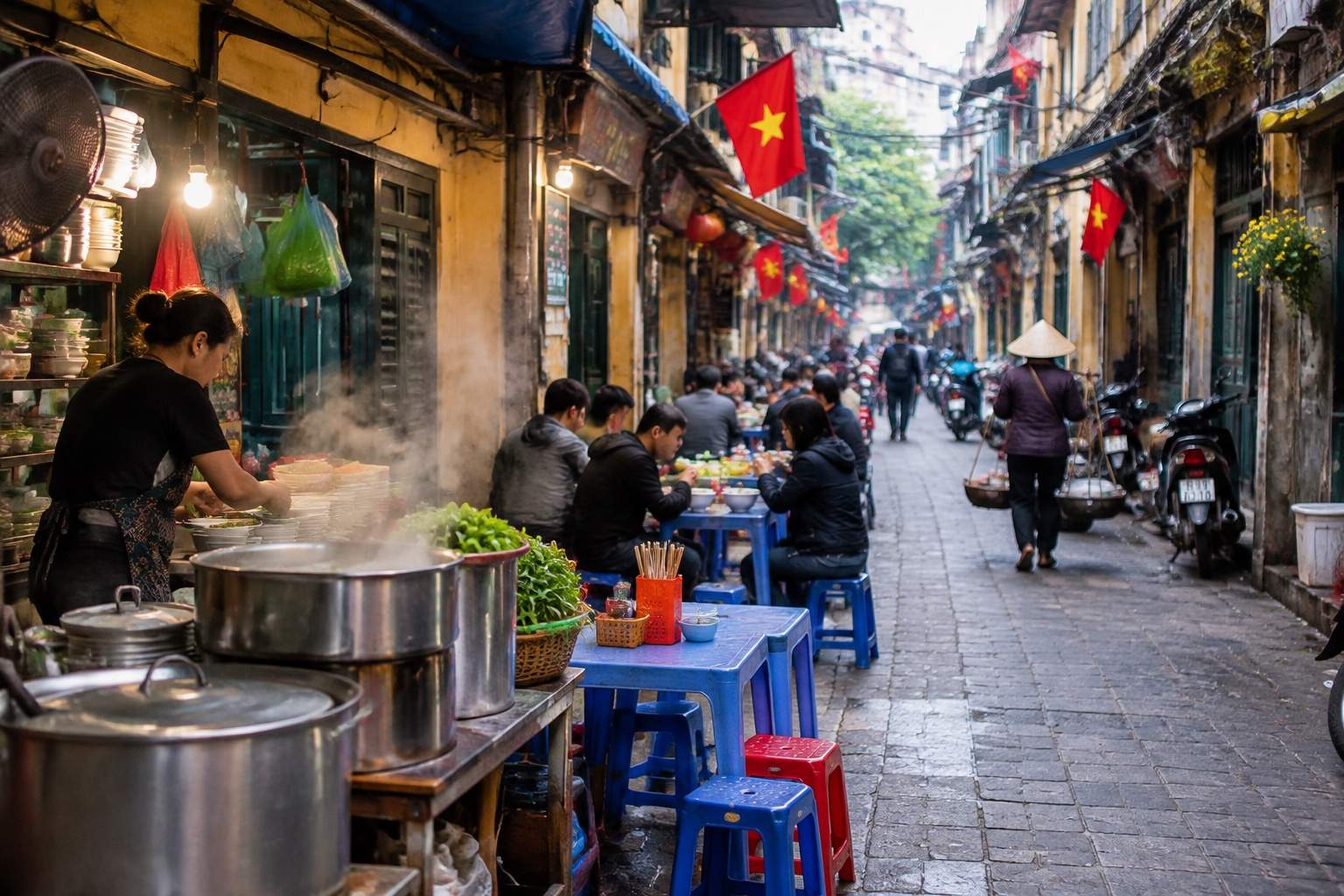
Panama not only boasts the world-famous canal but also offers a rich cultural experience. In the vicinity of the canal, Panama City provides a variety of local food options, including fresh seafood, tropical fruits, and traditional rice dishes. Street food is also quite popular, particularly fried corn cakes and seafood soup, which showcase the authentic flavors of Panama.
Moreover, Panama City’s Casco Viejo (Old Town) is home to colonial-era buildings, making it an excellent spot for tourists to learn about Panama’s cultural heritage and history. The surrounding areas also offer lush natural attractions and hiking opportunities.
In terms of local customs, Panama’s people are friendly and warm, with a strong emphasis on family and social gatherings. During festivals such as Panama Independence Day and Carnival, the streets come alive with celebrations, music, dance, and local delicacies, creating an atmosphere of joy and camaraderie.
Wear Light Clothing: Panama's tropical climate can be hot and humid, so it's recommended to wear comfortable, breathable clothing, especially when exploring outdoor areas near the canal.
Plan Your Visit in Advance: The Panama Canal offers a variety of tour options, so it’s advisable to plan ahead and decide on the best way to explore the canal’s key sights.
Sun Protection: Whether you're taking a boat tour or visiting the museum, be sure to apply sunscreen, wear sunglasses, and bring a hat to protect yourself from the strong sun.
---
The Panama Canal is not just an engineering marvel but also a global symbol of connectivity and human achievement. A visit to this legendary waterway offers a unique chance to witness firsthand how such an incredible feat of engineering was brought to life, while also experiencing the rich culture and history of Panama. Whether you're fascinated by history, technology, or the beauty of nature, the Panama Canal promises an unforgettable adventure for every traveler.