 Search
- # Travel
- In pursuit of a Wild Legend: A Winter adventure in the Masai Mara
- Feb,10,2025
The Masai Mara in Kenya is a place I have been longing for for a long time. On this vast grassland, the free run of wild animals is perfectly integrated with the raw power of nature. In this magical land, as if entering a primitive world, every second is full of endless surprises and shocks. I choose to come to Masai Mara in winter, looking forward to experiencing the charm of different animal migrations and wild nature in this season.
Located in southern Kenya, the Masai Mara is a world-renowned wildlife sanctuary with a wealth of flora and fauna and unparalleled natural beauty. "Mara" here means "spot" or "circle" in the Maasai language, which also aptly describes the scene on this grassland - the wildlife and natural scenery scattered across the vast grassland, like a fine oil painting.
The Masai Mara is not only a paradise for wildlife, it is also home to the Maasai tribe. The Maasai are one of Kenya's indigenous peoples and have long lived in harmony with the animals and natural environment of this savannah. As a tourist, I can not only observe the amazing natural landscape here, but also feel the deep culture of Maasai. During my travels, I had the privilege of interacting with Maasai tribesmen and learning about their unique ways of keeping in balance with nature and animals.
Coming to the Masai Mara in winter is a challenging and charming choice. Although the climate of the Masai Mara is springlike all year round, winter temperatures are moderate, with warm days and cool nights, making it ideal for wildlife activities. More importantly, winter is the peak of Maasai Mara animal activities, water and food on the grassland are relatively scarce, animals will gather around the water source, especially groups of African elephants, giraffes and antelopes, their migration routes become particularly obvious during this period.
Winter weather is cool, not as hot as summer, suitable for long periods of wildlife viewing on the grassland. I chose to go on a "field cruise" in the morning and evening during this season, which is also the best time to observe the animals. The cold morning, with the fog hanging over the prairie and many animals moving, is a rare and wonderful moment.
---
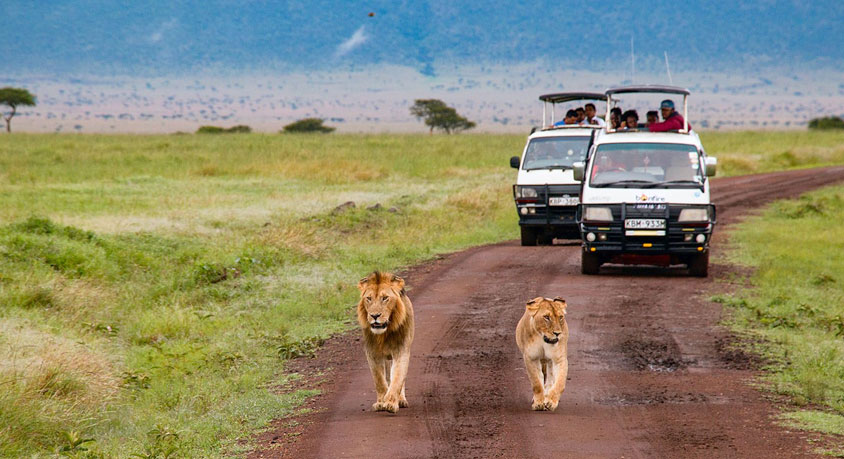
After setting foot on the soil of the Masai Mara, I took part in several wildlife cruises led by experienced guides. When driving the Jeep through the prairie, I seemed to become a bystander of the prairie, quietly observing the life of the wild animals. The first thing I came across was a group of giraffes drinking water, their necks held high, their silhouettes shining in the sun. It was as if these graceful creatures were never aware of my presence, and the graceful movements made me stare with breathless attention.
Next, I saw a herd of zebras and antelopes running. They sometimes stop on the prairie, and sometimes run quickly, from a distance, as if the prairie is a dynamic painting. Occasionally, I also saw a lion or two snoozing in the sun, completely unaware of the tourists around them. I was fascinated by the wonder and raw beauty of nature and felt so close to the wild animals, as if I had entered their world and become part of it all.
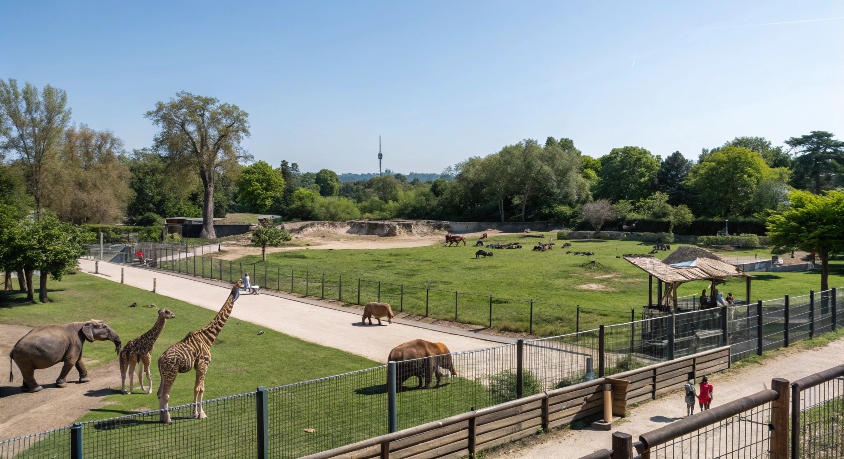
In winter, the Maasai Mara's wildlife is more concentrated near water sources, which also allowed me to observe more species. By the dry river bed, I saw large herds of elephants, drinking and occasionally playing. Looking at these powerful animals, I felt a sense of awe I had never felt before.
Although winter is not the peak of the Masai Mara's animal migration, it still allowed me to experience nature at its most stunning. Every year from July to October, thousands of wildebeest, zebras and so on across the Masai Mara savannah for large-scale migration, and winter, although the number of migrating animals is less, but still can see some migration teams. These animals travel through the wilderness, crossing rivers and avoiding predators, demonstrating the power of nature to thrive.
---
The one that struck me the most was a chance hunting sighting. My guide and I were cruising when suddenly we saw a male lion lurking silently near a group of zebras. Although I could not observe completely still in the grassland, I still tried to hide myself in the car, and saw the lion suddenly rushed out, and a hunt was staged dramatically. Fortunately, the lion did not succeed, but the thrilling chase made me feel the cruelty and beauty of the wild world.
In addition to the wildlife, I also visited the Maasai tribe and felt the warmth and unique culture of the Maasai people. The Maasai people are known for their unique costumes, dances and songs, and their lives are closely related to the natural world. Although the modern way of life has gradually infiltrated this ancient tribe, the Maasai have maintained their traditional way of life. In my interactions with the Maasai people, I learned how they protect the flora and fauna of the land by living in harmony with nature.
---
At the tribal welcoming ceremony, the Maasai invited me to dance with them, dressed in bright clothes and colorful ornaments, and the atmosphere was full of enthusiasm and energy as they performed traditional dances. I danced with them as if I were one with this prairie and these animals and plants. At this moment, I deeply felt that the Masai Mara is not only a miracle of nature, but also a symbol of the harmonious coexistence of culture and nature.
The Masai Mara has brought me a stunning visual feast and a spiritual baptism. Here, the warm sunshine and fresh air in winter, the abundant wildlife and the warm culture of the Maasai people have become unforgettable memories in my heart. Every close encounter with animals and every moment of interaction with nature makes me love this amazing land even more. The Masai Mara, this symphony of life and nature, deserves a deep visit with awe and joy for every traveler in every season.