 Search
- # Hospicio Cabañas
- Hospicio Cabañas: A Historic Treasure of Guadalajara
- Jun,25,2025
When I visited Guadalajara, I made sure to see one of the city's most famous landmarks: the Hospicio Cabañas. This historic building is located in the heart of Guadalajara and has a rich history. As I approached the building, I was immediately struck by its size. The Hospicio Cabañas is an old, impressive structure with beautiful architecture. It looks like a place that holds many stories. I was excited to step inside and see what it had to offer.
The building was originally constructed in the late 18th century, designed to serve as an orphanage and home for the poor. Over time, it became a place for the city’s most vulnerable people. Today, it stands as a museum and cultural center. The moment I walked through its grand entrance, I felt like I had stepped back in time. The thick walls and tall ceilings made the space feel both open and solemn. There was a sense of history in the air.
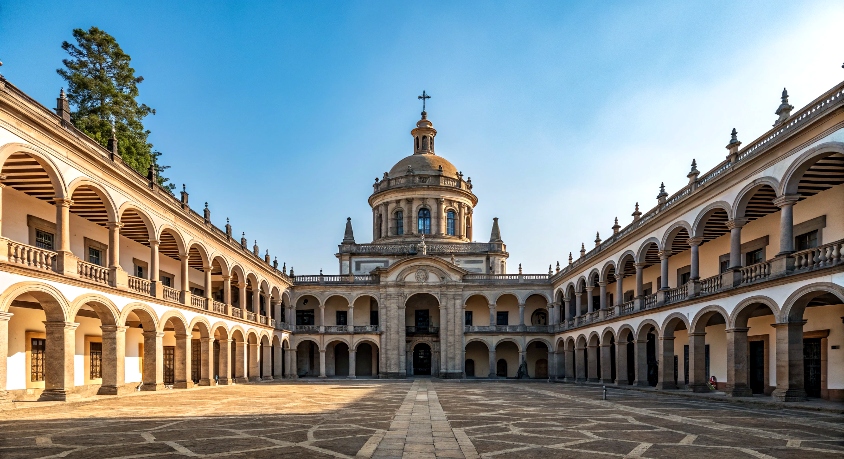
The architecture of Hospicio Cabañas is one of its most captivating features. The building is large and symmetrical, with wide corridors and high arches. The design reflects the neoclassical style popular during the time it was built. The walls are made of stone, and the floors are covered in beautiful tile work. The building has many courtyards, and each one is filled with plants and greenery. The design is simple but elegant. It made me feel like I was in a place meant for reflection and contemplation.
One of the most impressive parts of the building is its central courtyard. It’s surrounded by tall columns and has a peaceful vibe. The sunlight shone through the open spaces above, creating a calm atmosphere. I spent some time just walking around the courtyard, enjoying the quiet and the beauty of the architecture. The design of the space felt timeless, as if it had been made to stand the test of time.
As I explored the inside of Hospicio Cabañas, I was fortunate to see the famous murals by the Mexican artist José Clemente Orozco. These murals cover the walls of several rooms and are one of the main reasons people visit this place. The murals are bold and dramatic, telling stories of the Mexican people, their struggles, and their hopes. Orozco’s work is full of emotion and color. It’s easy to see why his murals are considered some of the most important pieces of art in Mexico.
I was immediately drawn to the large mural on the ceiling of the main hall. The mural, called “Prometheus,” depicts the mythological figure bringing fire to humanity. It’s a powerful image, and the way it’s painted on the ceiling made it feel like the scene was alive above me. The murals in the other rooms were just as striking. They portrayed scenes of war, revolution, and human suffering. Orozco’s art had a raw energy to it, and it was impossible to ignore the intensity of the images.
As I walked through the halls, I could feel the impact of Orozco’s work. His murals tell a story of Mexico’s past, but they also speak to universal themes of hardship and hope. I spent a long time in front of each painting, taking in the details and trying to understand the emotions behind them. The murals gave me a deeper appreciation for the history of Mexico and its culture.
---
In addition to the murals, Hospicio Cabañas is also home to a variety of exhibitions showcasing Mexican art and culture. The museum has collections that cover many aspects of Mexican history, from its colonial past to more modern times. The exhibitions are spread out throughout the building, and each one offers something unique.
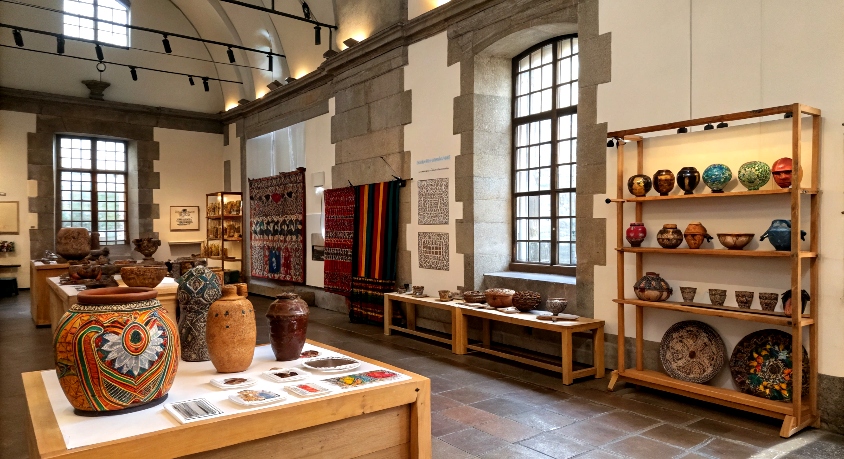
One of the exhibitions that stood out to me featured traditional Mexican crafts. The pieces on display included handwoven textiles, pottery, and masks. I was amazed by the skill and creativity that went into each item. The colors were vibrant, and the craftsmanship was exceptional. It was clear that these objects held great cultural significance, and it was interesting to learn about the traditions behind them.
I also visited an exhibition focused on contemporary Mexican artists. The artwork in this section was very different from Orozco’s murals. The pieces were more abstract and modern, but they still carried the same deep connection to Mexican identity. I found it fascinating to see how Mexican artists today continue to explore themes of culture, identity, and history through their work.
After spending some time inside the building, I decided to walk around the courtyards and gardens. The exterior of Hospicio Cabañas is just as beautiful as the inside, and the gardens offered a peaceful escape from the hustle and bustle of the city. The courtyards were filled with green plants and flowers. Some of the trees were very tall, and the shade they provided made the spaces even more inviting.
I found a bench in one of the courtyards and sat for a while. The peacefulness of the gardens gave me time to reflect on everything I had seen. The tall walls of the building surrounded me, and I could hear the faint sounds of the city in the distance. But here, in the garden, everything felt quiet and still. The peaceful atmosphere made it easy to imagine what life might have been like for the people who lived and worked in this place years ago.
---
As I continued to explore Hospicio Cabañas, I learned more about its history. It was founded in 1791 by a local bishop, and it was originally meant to care for orphans, the poor, and the elderly. The building served as a hospital and shelter for many people over the years. It was a place of refuge for those in need. The structure itself was designed to accommodate a large number of people, and the rooms were simple but functional.
At one point, the Hospicio Cabañas became a place of political importance. During the Mexican Revolution, the building was used to house soldiers and political figures. Over the years, the purpose of the building shifted, but it always remained a symbol of care and support for the community. Today, it is a cultural center and museum, but it still holds the memories of the many people who passed through its doors.
Visiting Hospicio Cabañas was a fascinating experience. The combination of history, art, and architecture made it a unique and memorable place to explore. The murals by José Clemente Orozco were powerful and thought-provoking, and they gave me a deeper understanding of Mexico’s history. The peaceful courtyards and gardens offered a relaxing escape, and the exhibitions provided a glimpse into Mexican culture. I left the Hospicio feeling grateful for the opportunity to learn about its past and experience its beauty firsthand.