 Search
- # Spanish Steps
- Spanish Steps: Rome's Romantic Microcosm
- Mar,17,2026
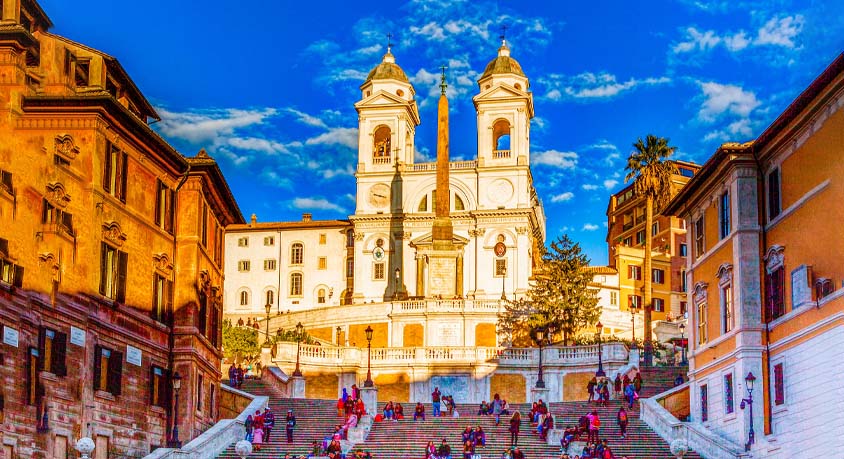
Piazza di Spagna, or the Spanish Steps, is located in the heart of Rome and is one of the city's most romantic sites. The square derives its name from the establishment of the Spanish Embassy in the 17th century, but its true charm lies in its deep connections to art, literature, and film. The centerpiece of the square is the famous Spanish Steps (Scalinata di Trinità dei Monti), a magnificent stairway consisting of 138 steps that connect the square to the Church of Trinità dei Monti at the top of the hill. This iconic feature serves as one of Rome’s most recognizable landmarks.
The establishment and evolution of the Spanish Steps reflect Rome's journey from the Baroque period to modern times. It serves not only as a transportation hub but also as an inspiration for artists, poets, and travelers alike. Whether under the tranquil morning sun or the romantic glow of dusk, the Spanish Steps allure visitors from all corners of the globe with their unique charm.
The architectural style of the Spanish Steps blends elements of Baroque and Neoclassicism, showcasing the exquisite artistry of Italian architecture. The steps, designed by architect Francesco de Sanctis, draw inspiration from French style and are divided into sections. Each tier possesses distinct visual beauty, and its elegant curves and wide steps flow like a living poem, seamlessly connecting the square with the church above. The Spanish Steps serve not only as an ideal photo spot but also as the perfect place to soak in the romantic atmosphere of Rome. Sitting on the steps in the sunlight or gazing over the entire square evokes the city's unique allure.
At the top of the Spanish Steps stands the Church of Trinità dei Monti, overseeing the bustling Piazza di Spagna. This church combines Renaissance and classical elements, embodying the pinnacle of Italian architectural beauty. The church's elegant design features a tapered bell tower and a colonnade fronting the facade, instilling a sense of awe. Upon entering, visitors are captivated by the splendid stained glass windows and exquisite frescoes, as light and shadow create a mystical and sacred atmosphere within the space.
In the center of the square lies the Fontana della Barcaccia, designed by the renowned artist Gian Lorenzo Bernini's son. The fountain's design resembles a sunken boat, symbolizing the waters that once flooded the square, as water flows gently from the boat’s hull, bringing a sense of liveliness and movement to the scene. Its inspiration comes from a small boat left on the Tiber River during a flood, and this design not only possesses poetic charm but also etches a unique historical narrative into the memory of the square, allowing visitors to appreciate both its artistic beauty and rich cultural significance.
Positioned directly in front of the square is one of Rome's most famous shopping streets, Via dei Condotti. The street gets its name from a water conduit built in the 16th century to supply water to nearby fountains. Over time, Via dei Condotti evolved from an ordinary road into the fashion hub of Rome, attracting numerous international luxury brands and high-end boutiques. In addition to luxury stores, Via dei Condotti houses many local boutiques and artisan shops, where visitors can discover handcrafted leather goods, custom jewelry, and Italian ceramics—unique souvenirs showcasing Italy's traditional craftsmanship.
The area surrounding Piazza di Spagna is a paradise for food lovers. Handmade gelato is a classic Roman dessert, known for its delicate texture and diverse flavors—especially refreshing during the hot summer months. Italian coffee is another must try experience; whether it's a rich espresso or a sweet cappuccino, you'll feel the richness of Italian coffee culture.
Additionally, nearby restaurants offer an array of authentic Italian dishes, including Pizza Margherita and Carbonara—each bite a delightful tribute to your taste buds. For those with a sweet tooth, Tiramisu and Cannoli are delectable treats not to be missed.
Beyond the Spanish Steps, Rome boasts several other must visit sites. The Trevi Fountain draws countless visitors with its Baroque sculptures and romantic legends. The Pantheon, a masterpiece of ancient Roman architecture, captivates with its massive dome and intricate carvings.
For art enthusiasts, the Borghese Gallery houses a remarkable collection of Renaissance masterpieces, making it an essential stop on your artistic journey. The Piazza Navona is also famous for its elegant fountains and lively street performances.
The Spanish Steps serve as a microcosm of Rome's rich history and culture; its architectural beauty and artistic ambiance leave a lasting impression on visitors. May you find your own memories within this remarkable setting, experiencing the unique charm of this eternal city.