 Search
- # Larco Museum
- Larco Museum in Lima: A Journey Through Peru's Ancient Past
- Sep,01,2025
When I arrived at the Larco Museum in Lima, I was immediately impressed by the beautiful building. It was surrounded by gardens and tall trees. The museum looked both modern and old at the same time, with its colonial-style architecture. I walked through the main door, and I could feel the excitement building inside me. I knew I was about to explore something special.
The first rooms I entered were full of ancient pottery and artifacts. These items were from different cultures of Peru that lived thousands of years ago. Each piece was carefully displayed in glass cases. I could see the detail on the pottery. Some pots had designs of animals, while others showed faces or scenes of daily life. The colors on the pottery were still very bright, even though the items were so old. I felt like I could connect with the people who made these things, even though they lived so long ago.
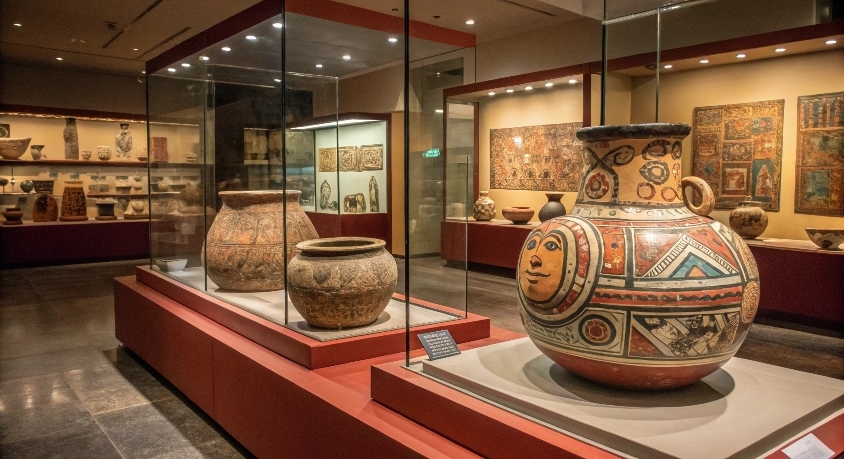
As I moved from room to room, I started learning about the different ancient civilizations of Peru. The museum had collections from the Moche, Nazca, and Inca cultures, among others. Each of these civilizations had their own ways of life and beliefs. I was fascinated by how the Moche people, for example, used pottery to tell stories. There were many pots shaped like animals and people. The Moche were known for their skill in making detailed pottery, and seeing these pieces in person was amazing.
One of the most interesting parts of the museum was the Moche collection. The Moche were known for their detailed artwork, and their pottery was some of the most impressive I saw. Many of the pieces were shaped like animals, such as frogs, birds, and fish. There were also many pots shaped like human faces. It was clear that the Moche paid a lot of attention to detail. Some pots even had small holes in them, which were used to make music. I could tell that these objects were not just for decoration. They were important in the lives of the people who made them.
---
Next, I explored the Nazca collection. The Nazca are famous for their huge drawings in the desert, known as the Nazca Lines. I learned that the Nazca people also created beautiful pottery and textiles. The pottery often had bright colors and geometric patterns. The museum had many examples of these items, and I could see how the Nazca used art to express their culture. Some of the pottery even had images of animals, such as monkeys and birds. I was amazed at how the Nazca used art to tell stories about their world.
After learning about the Moche and Nazca, I went to the section of the museum dedicated to the Inca Empire. The Inca were the largest and most powerful civilization in pre-Columbian Peru. The museum had many items from this time, including gold jewelry, tools, and textiles. I was particularly fascinated by the gold objects. The Incas were known for their skill in working with gold. The jewelry and other items I saw in the museum were beautifully made. There were necklaces, earrings, and small figurines. I could see how much value the Incas placed on gold and other precious materials.
---
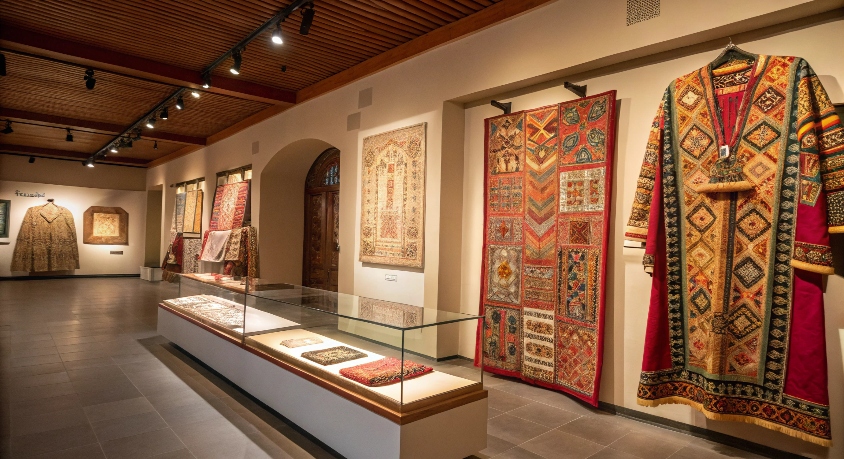
As I walked through the museum, I also saw many examples of ancient textiles. The people of Peru have a long history of weaving beautiful fabrics, and the museum displayed many examples of this art. Some of the textiles were made from cotton, while others were made from wool. The colors were bright and vivid, and the designs were intricate. It was amazing to think about how these textiles were made by hand, using tools that were much simpler than those we use today.
One of the highlights of my visit was the museum’s gold collection. The museum had a large room filled with gold artifacts from different cultures in ancient Peru. There were gold necklaces, bracelets, and small statues. I was amazed at how the gold pieces glowed in the soft light. The Inca people used gold for many different things, including making jewelry and religious items. The museum explained that gold was considered very valuable, not only because it was rare, but also because it was believed to have special powers.
After spending time inside the museum, I decided to take a break and explore the gardens. The museum is set in a beautiful area with green spaces and flowers. I walked along the paths, enjoying the peaceful atmosphere. The gardens were a perfect place to relax after learning so much about Peru’s history. The area was quiet, and I could hear the sound of birds and the rustling of leaves in the trees. It was a nice contrast to the busy city outside.
---
The atmosphere inside the museum was calm and welcoming. The staff were friendly and helpful. I noticed that many of the visitors were from different countries, and everyone seemed interested in learning about the ancient cultures of Peru. The museum had a relaxed vibe, and it felt like a place where people could come to learn and reflect. The layout of the museum was easy to follow, and I never felt lost. Each exhibit was clearly labeled, and the information helped me understand the significance of the artifacts.
As I walked through the museum, I learned so much about the history and culture of Peru. The artifacts told stories about the people who lived here long ago. I could see how their art and tools reflected their way of life. The pottery, textiles, and gold objects showed how important craftsmanship was to the ancient people of Peru. The museum helped me understand how these civilizations lived, what they believed, and how they interacted with their environment.